Six communities in rural Colombia speak with one voice on the rules of war
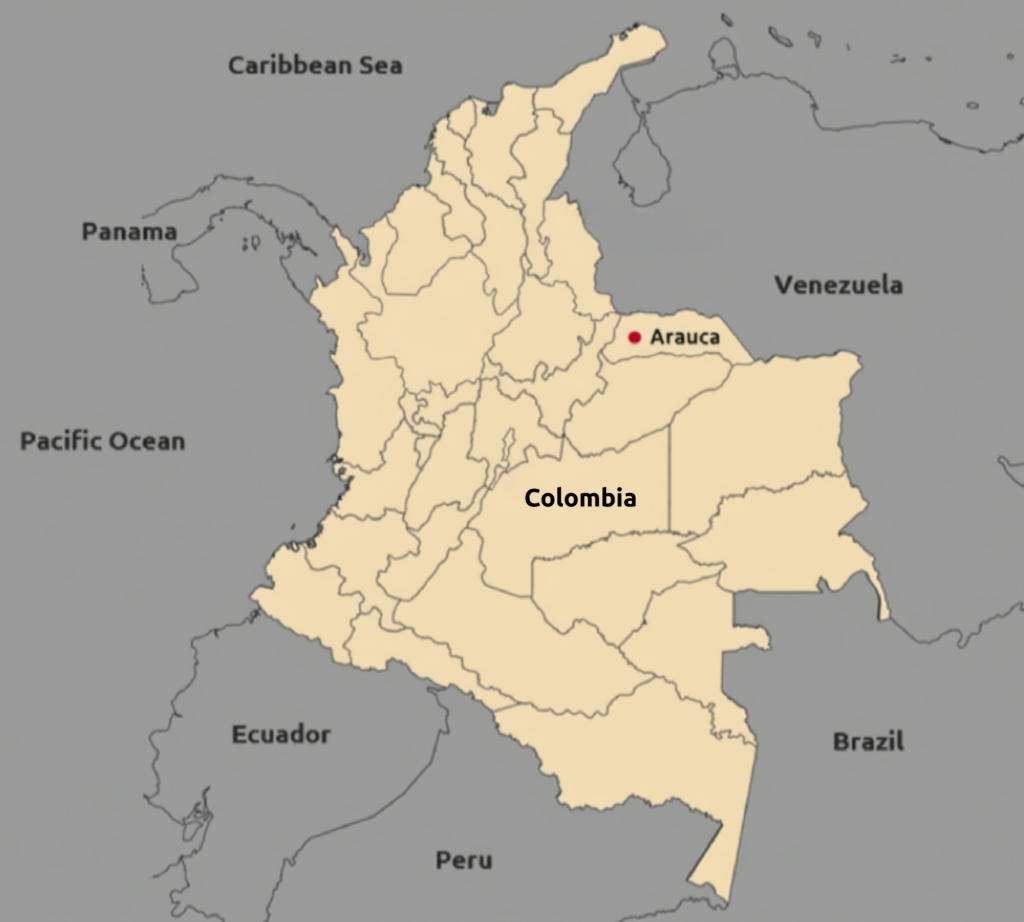
Six communities in Arauca, Colombia came together to directly address the armed groups in their territory and demand their compliance with International Humanitarian Law (IHL).
These communities could already name what the conflict was doing to them: anti-personnel mines were destroying families; accusations linking local leaders to armed groups were stigmatizing them; and blurred lines between civilians and combatants were putting lives at risk.
The need to address these issues had been there for a long time, but the culture of silence and fear had long stopped these communities from openly discussing them, especially with the people responsible. but what was missing was a way to say it collectively to the people responsible.
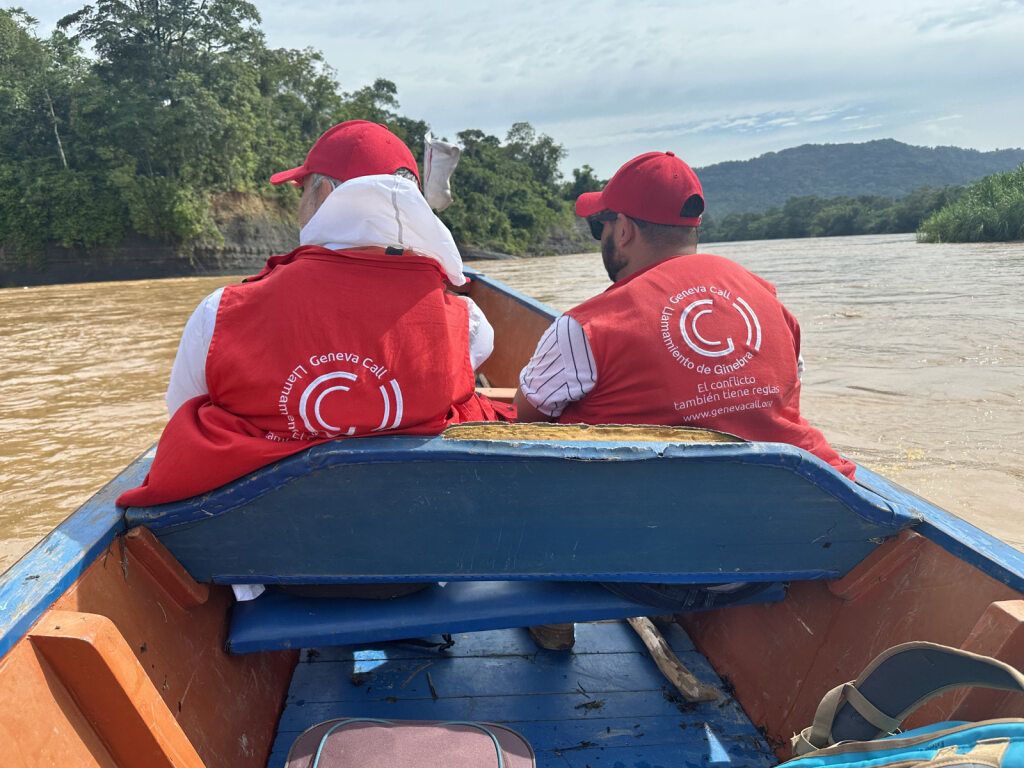
Earlier this year, Geneva Call facilitated a structured dialogue where 16 local leaders in Arauca channel years of sufferings through conflict into one voice.
Equipped with IHL and humanitarian negotiation training provided by Geneva Call, the participants were better positioned to articulate the needs of their communities. They rejected the use of anti-personnel mines, insisted on the principle of distinction between civilians and combatants, and called for an end to the stigmatization of community leaders. They also mapped out the conditions under which dialogue with armed groups may be possible, as well as the conditions that prevent it.
“What makes this initiative significant is that the messages did not come from Geneva Call—they came directly from the communities themselves,” said David Rincón, Project Officer for Colombia at Geneva Call. “Our role was to create a safe and neutral space where people could come together, reflect on their experiences through the lens of International Humanitarian Law, and collectively articulate their needs. When communities are able to speak with one voice, they are often better positioned to make those concerns heard.”
Before leaving, the leaders also agreed on how the messages would travel: through community assemblies, victims’ platforms, WhatsApp groups, local media, and where conditions allow, through direct or indirect engagement with the armed groups themselves.
While the 16 leaders were the direct beneficiaries, an estimated 1,200 to 1,800 people stand to benefit as well through stronger protection networks between communities and a shared language grounded in international law to be able to articulate what they need to stay safe.
Geneva Call guided the process and then stepped back. What came next were the words of the communities themselves.