Responding to civilian protection needs in South Sudan – Five Unilateral Declarations and an MoU mark a way forward for the South Sudan Opposition Alliance (SSOA)
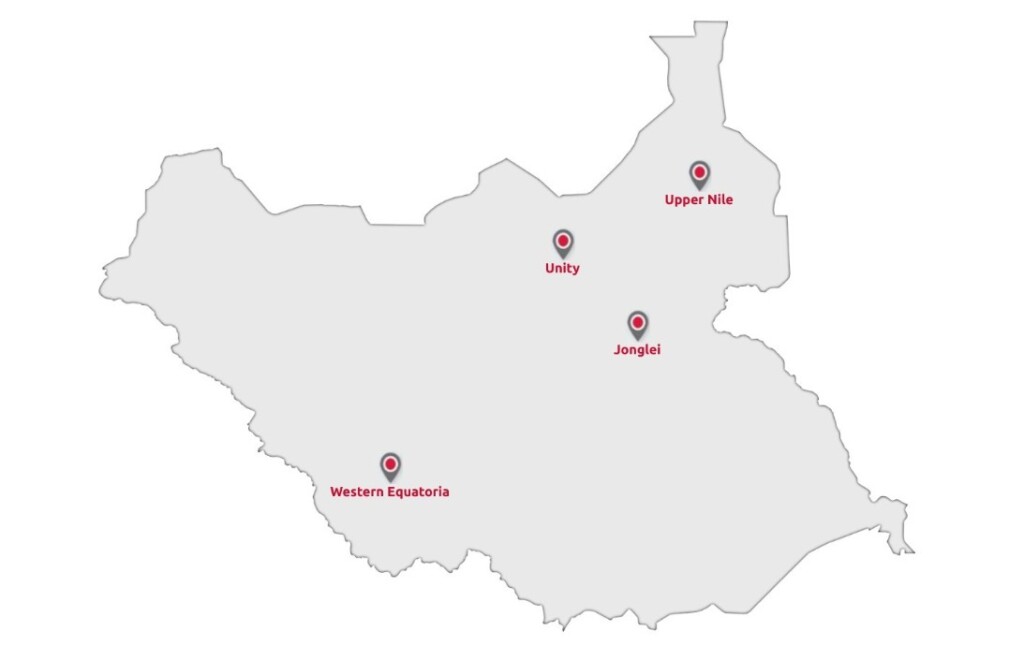
Civilians in South Sudan continue to face severe humanitarian challenges. According to the 2026 UN OCHA South Sudan Humanitarian Response Plan (HNRP), an estimated 10 million people require assistance. Around 7.7 million or 57% of the population are experiencing high levels of acute food insecurity (IPC Phase 3 or higher), with protection risks especially high in conflict-affected states such as Jonglei, Unity, and Upper Nile.
The crisis is unfolding in a deteriorating political and security context. At the same time, the war in Sudan continues to drive instability within South Sudan.
Against this backdrop, the South Sudan Opposition Alliance (SSOA) has taken an important step by committing to strengthen the protection of civilians and respect for humanitarian norms. This includes the signing of five Unilateral Declarations, as well as a Memorandum of Understanding (MoU) with Geneva Call to support the implementation of these commitments.
SSOA is a coalition of forces that signed the 2018 Revitalised Agreement on the Resolution of the Conflict in South Sudan. However, its troops have not yet been integrated into government forces. The effectiveness of this initiative will therefore depend on SSOA’s compliance with these commitments and their translation into practice.
Escalating protection risks
Reports from the UN Mission in South Sudan (UNMISS) Human Rights Division and the Protection Cluster point to a sharp increase in violence against civilians. This includes killings, abductions, and sexual and gender-based violence (SGBV), perpetrated by both state security forces and organised armed groups. Aerial bombardments in civilian areas have also been recorded.
These risks are compounded by the systematic forced recruitment of boys and young men, as well as the sexual enslavement of girls by various armed actors. At the same time, conflict, localized violence, and bureaucratic impediments – including illegal checkpoints manned by armed groups demanding fees – continue to restrict the delivery of aid.
From dialogue to concrete commitments
Amid these escalating risks, Geneva Call works to strengthen respect for humanitarian norms and principles among armed groups and de facto or provisional authorities, with the goal of improving civilian protection.
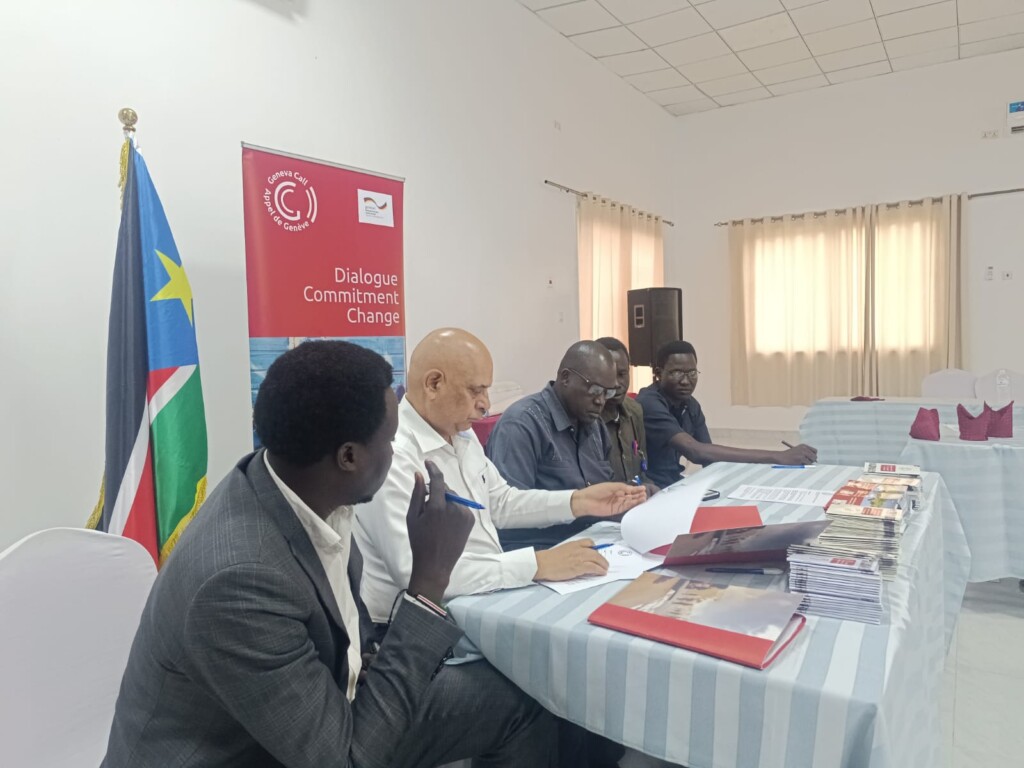
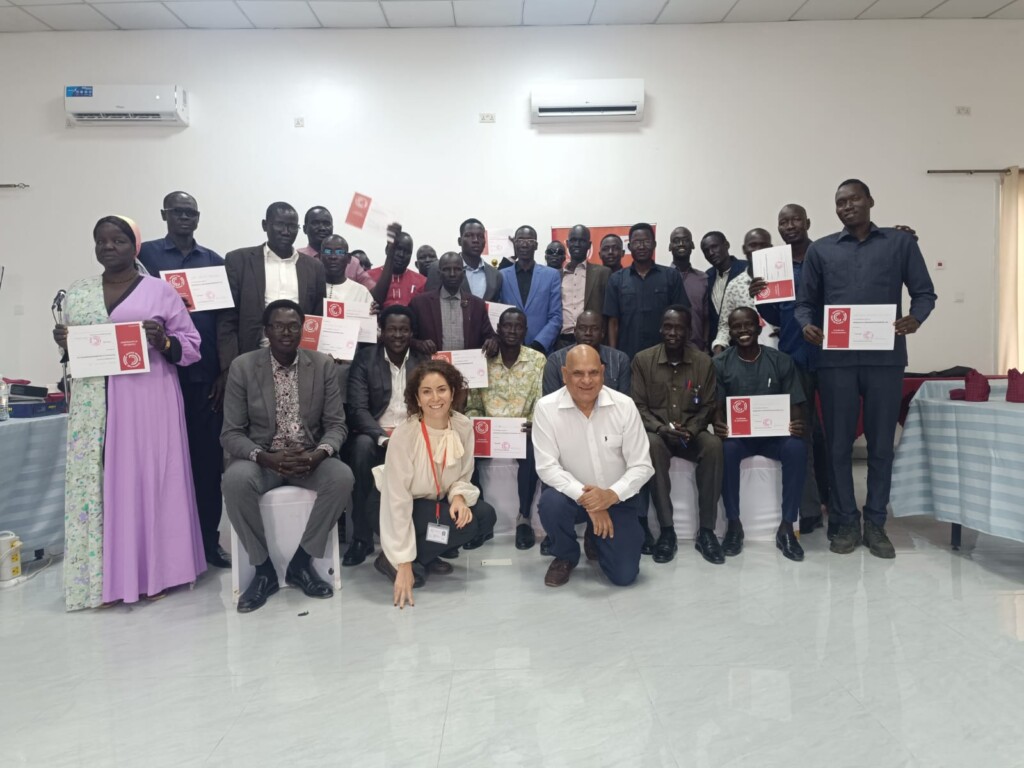
In line with this mission, a recent workshop on the protection of civilians, held in Juba with SSOA members, led to the signature of five Unilateral Declarations. These cover the:
· Protection of children in armed conflict
· Protection of property, livelihoods, and objects indispensable to survival
· The prohibition and prevention of conflict-related sexual violence (CRSV)
· The protection of civilians from the effects of hostilities
· The prevention of food insecurity and the prohibition of starvation as a method of warfare.
The workshop also led to the formalisation of the Memorandum of Understanding (MoU) between Geneva Call and SSOA. This agreement establishes concrete workplans to be implemented by December 2026, marking a clear commitment to translate dialogue into action.
As part of a structured engagement process, the MoU establishes mechanisms for sustained cooperation, including training and technical guidance. The aim is to embed respect for civilians and humanitarian norms into operational practices and decision-making. These commitments together with a concrete action plan represent an important step towards ensuring that civilians are better protected in one of the world’s most complex conflict environments.
Commitment and accountability
These Declarations represent clear, public commitments by SSOA to uphold humanitarian norms. Geneva Call supports the drafting of these commitments to ensure they lead to measurable improvements on the ground.
In his address during the Senior Officers’ IHL Training in Juba, the South Sudan Opposition Alliance (SSOA)’s Chief of Staff said:
As SSOA leadership, we understand our obligations under International Humanitarian Law, and we are committed to protecting civilians, their food, their property, and their lives.
This training reinforces our discipline, accountability, and respect for humanitarian norms within our forces. These rules are not optional. They are orders that shall be issued within our command and must be respected by all our forces.
Echoing this, Geneva Call’s Country Director in South Sudan, Ranjan Poudyal, highlighted the importance of engaging all parties to the conflict:
Amid escalating humanitarian needs and protection risks, engaging all parties to the conflict remains essential to improving the safety of civilians.
The scale of suffering in South Sudan demands urgent and sustained action. By working directly with SSOA, we are seeking to embed respect for civilians into their everday practices and decision-making.
A step toward improved civilian protection
The signing of five Unilateral Declarations and an MoU marks an important step toward strengthening the protection of civilians in South Sudan. By translating commitments into concrete actions, this initiative aims to reduce harm, improve accountability, and promote respect for humanitarian norms in areas most affected by violence.
Geneva Call has maintained a continuous presence in South Sudan over the last decade, working with all parties to the conflict, while upholding a strictly humanitarian approach grounded in the principles of neutrality, impartiality, humanity, and independence. Its work – combining engagement with armed actors, community dialogue, and capacity strengthening – focuses on influencing behaviour and reducing protection risks in some of the country’s most violence-affected areas, including Jonglei, Upper Nile, and the Pibor Administrative Area.
Sustained engagement and implementation will now be key. If effectively applied, these commitments have the potential to deliver tangible improvements in the safety and protection of civilians in South Sudan.